Quick answer
Equipment and vehicle finance lets a New Zealand business buy machinery, utes, vans, trucks or specialist gear with the asset itself as security, registered on the Personal Property Securities Register. Because the lender has a claim over something with resale value, approval can be quick and the business keeps its cash. Dealer purchases with a tax invoice move fastest; private sales and older gear need extra checks.
Key points
- The asset itself is the main security.
- Covers vehicles, trucks, machinery and specialist equipment.
- Keeps working capital free for running costs.
- Dealer sales with a tax invoice move fastest.
- Covers
- Utes, vans, trucks, trailers, plant, machinery and equipment
- Security
- Security interest over the asset on the PPSR
- Speed
- Same-day funding possible for smaller unsecured amounts
- Purpose
- Business purposes only
When a business needs a piece of equipment, it usually needs it now. A digger for a job that starts Monday. A refrigerated van before a supermarket contract begins. A new oven because the old one died during a busy weekend. Equipment and vehicle finance is often the fastest way to get it, because the thing you’re buying does much of the lender’s work.
How asset finance works
The lender pays the supplier, and you repay the lender over a term that roughly matches the asset’s working life. The lender registers a security interest over the asset on the Personal Property Securities Register. If the loan isn’t repaid, the lender can recover the asset.
Because there’s a valuable asset behind the loan, lenders are generally more comfortable than with unsecured lending. That can mean faster approvals, longer terms and a larger amount for the same business.
What can be financed
- Vehicles: utes, vans, cars used for business, courier vehicles.
- Trucks and trailers: light and heavy trucks, tippers, curtainsiders, refrigerated units.
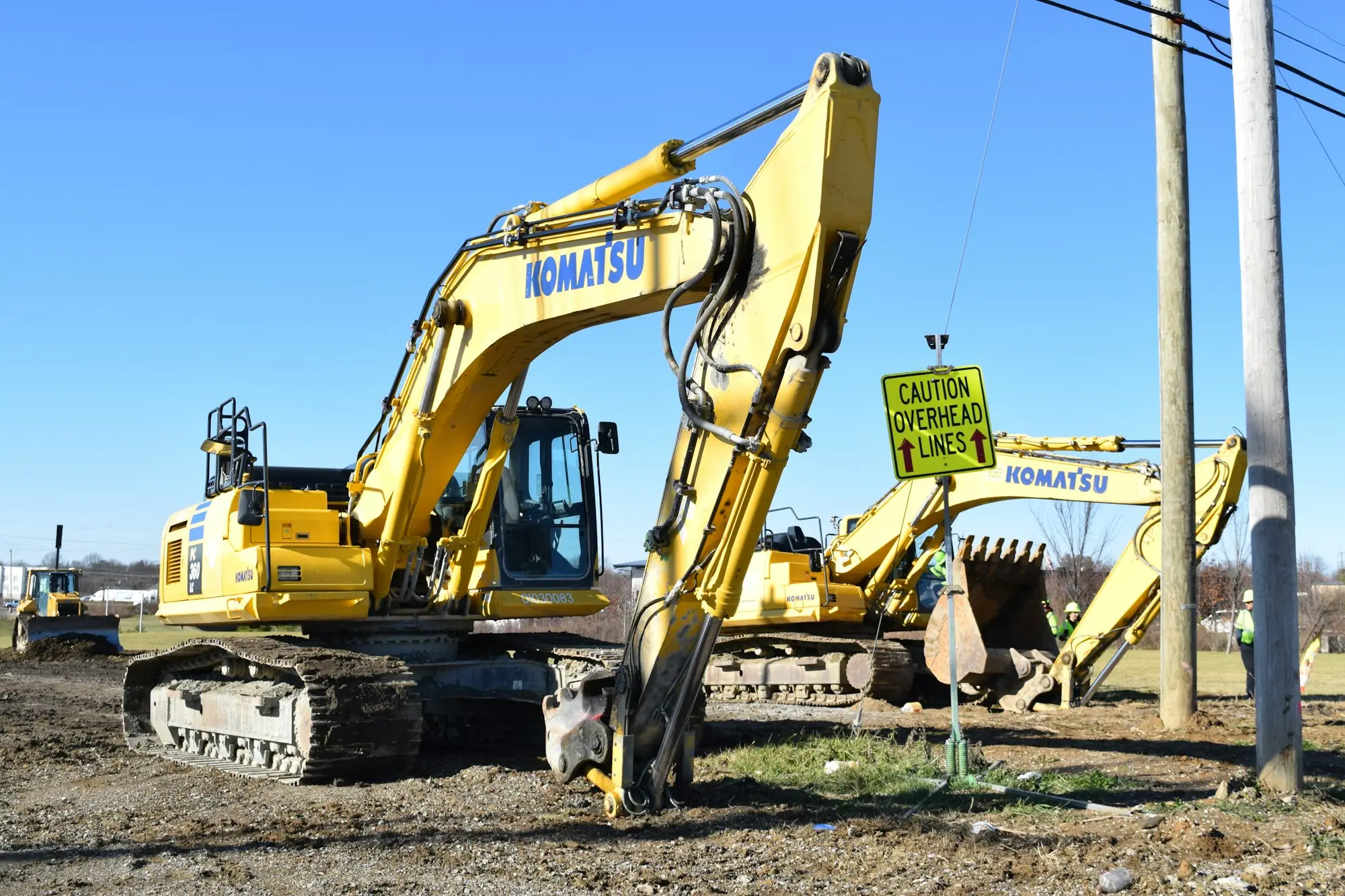
- Construction plant: diggers, loaders, rollers, compactors, cranes.
- Agricultural machinery: tractors, harvesters, sprayers, irrigators.
- Hospitality gear: ovens, coffee machines, chillers, fit-out equipment.
- Workshop and manufacturing: hoists, CNC machines, compressors, presses.
- Technology: servers, medical equipment, specialist tools.
Dealer versus private sale
Dealer purchases are the quickest. A tax invoice gives the lender the price, the description, the serial number or VIN, and the supplier’s details. With directors’ ID and recent bank statements ready, funds can often be paid to the dealer quickly.
Private sales need more checking: proof of ownership, a PPSR search to make sure there’s no finance still owing, and sometimes an inspection or independent valuation. If finance is still owing, the lender can arrange to pay it out at settlement so the title passes cleanly.
New businesses and older assets
Newer businesses can often finance equipment because the asset provides security, though a deposit may be needed. Older or highly specialised gear can be harder, because its resale value is less certain. In those cases, lenders might lend a lower percentage or ask for additional security.
Matching the term to the asset
A good rule: don’t finance an asset over a longer term than it will be useful. A ute might suit four or five years; a laptop, two or three; heavy plant, longer. Some loans include a balloon or residual payment at the end, which lowers regular repayments but leaves a lump sum to pay or refinance. Make sure you understand it before signing.
When equipment finance isn’t the best route
If the equipment is cheap relative to your turnover, a quick unsecured loan may be simpler. If you’re buying several items from different suppliers, or the gear is part of a bigger project, one loan secured over property can sometimes be faster than several separate asset finance deals.
An illustrative example
A Taranaki earthmoving contractor wins a subdivision contract starting in ten days and needs a second 14-tonne excavator. A dealer has a two-year-old machine for $165,000 plus GST. The contractor has three years of trading, steady statements and one existing machine on finance.
With the dealer’s invoice, the machine’s serial number and the directors’ licences provided on the first call, the lender approves the purchase and pays the dealer directly. A short GST funding facility covers the GST until it’s claimed back on the next return. The excavator is on site before the contract starts.
Speed things up
- Ask the supplier for a tax invoice with serial number or VIN.
- For private sales, get proof of ownership and any finance payout letter.
- Have recent bank statements ready to link or upload.
- Make sure every director has photo ID and can sign online.
Not sure which route?
Use the funding speed finder to compare equipment finance with unsecured and property-backed routes for your deadline.
Lease, hire purchase or loan?
Equipment can be funded in several ways. A loan or hire purchase means you own the asset, and you may be able to claim depreciation and interest. An operating lease means you use the asset without owning it, which can suit gear that dates quickly. Your accountant can tell you which structure suits your tax position best.
Talk to a person
Asking what’s possible doesn’t touch your credit file, and we don’t send your enquiry out to a stack of lenders. A real person reads it, checks the asset and the supplier, and calls you so the machine can be where it’s needed. Start your enquiry.
Frequently asked questions
Can I finance used equipment?
Yes. Lenders check the age, condition and value of used gear, and search the PPSR to make sure nobody else has a security interest registered over it.
Can I buy from a private seller?
Usually, but it takes a little longer. The lender needs proof the seller owns the item, a PPSR search, and sometimes an inspection or valuation.
Do I need a deposit?
Established businesses often don't. Newer businesses, older assets or specialised equipment may require one.
What about GST on the purchase?
If you're GST registered, you can usually claim back the GST on business equipment. Some lenders offer a short GST funding facility so you don't have to cover it from cash in the meantime. Check with your accountant.